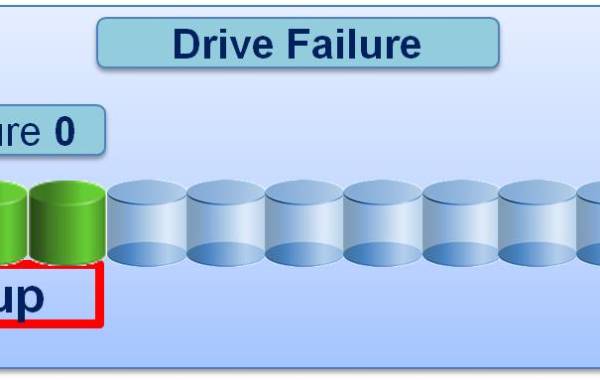
EMC VNX – MCx Hot Sparing Considerations
MCx has brought changes to the way Hot Sparing works in a VNX Array. Permanent Sparing is now the method used when a drive fails. How Permanent Sparing works: when […]
Virtualization & Storage

MCx has brought changes to the way Hot Sparing works in a VNX Array. Permanent Sparing is now the method used when a drive fails. How Permanent Sparing works: when […]
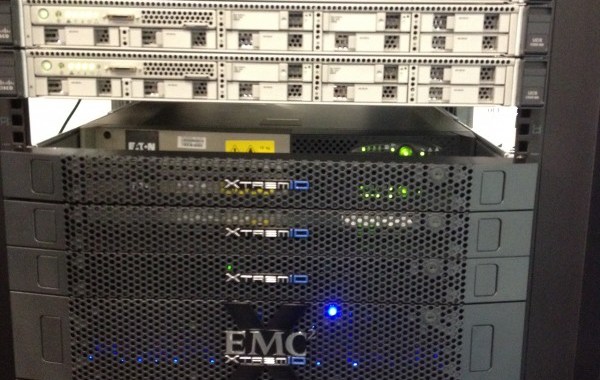
Vblock Specialized System for Extreme Applications This Vblock as the name suggests is VCE’s solution targeted at Extreme Applications such as VDI and High performance database applications. Using the XtremIO […]

Draining of a Data Device (TDAT) from a VMAX Thin Pool is a non-disruptive activity, meaning TDAT’s can be removed from a Thin Pool without the need to unbind any […]
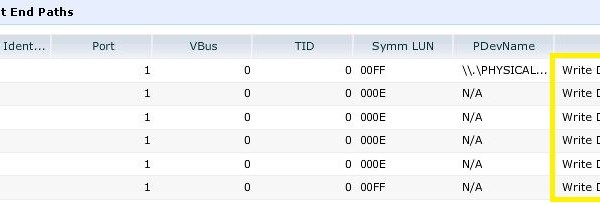
Access Control Logix (ACLX) gatekeeper mapping is required for initial device masking configuration on the VMAX via the Administration host and also required for the Control Station when using a […]
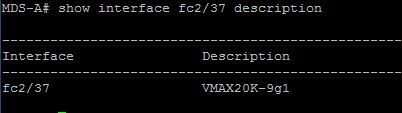
Somtimes you may have encountered an issue where a VNX/VMAX front-end port gets cabled to the wrong MDS Switch Port that you had designed for and in fact the port […]
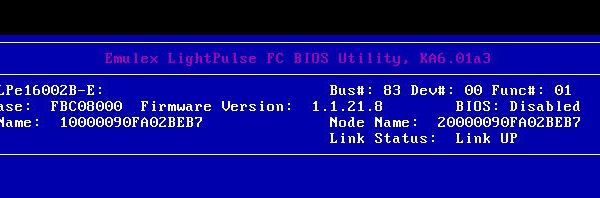
Firstly download the latest version from the EMC-approved section of the Emulex website for EMC VNX/VMAX: http://www.emulex.com/downloads/oem-qualified/emc/ In this example we are downloading the Emulex LPe16002 Firmware and BootCode version […]

Great to hear a non-disruptive upgrade fix has has been made available for this issue. Background The issue is addressed in EMC KB175619 Essentially after approximately 80 Days of runtime […]
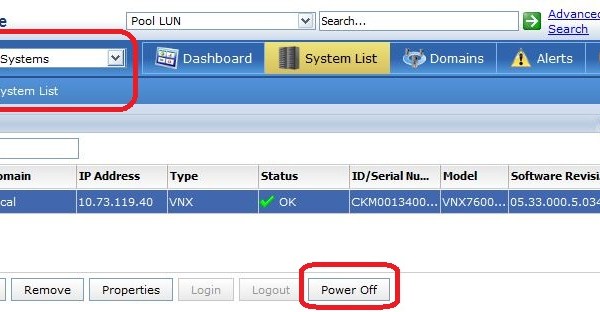
Note: Please ensure to reference official EMC documentation before proceeding and ensure your system health checks are passed before completing a shutdown. A new feature with the release of VNX […]
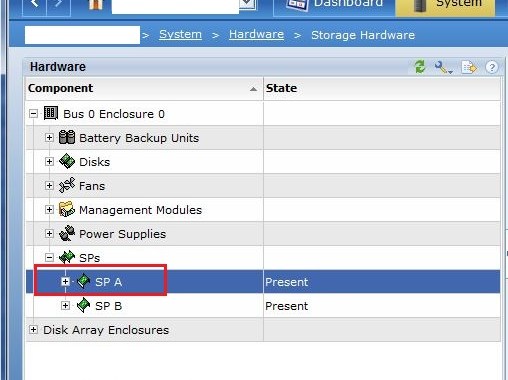
This is a guideline on how to change the VNX Storage Processor IP and Name via Navicli. Navicli does not require a reboot of the SP after changing the SP […]
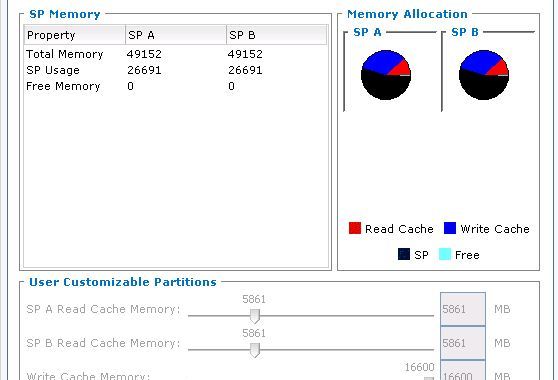
Offered with 05.32 release (INYO) is an expanded memory option on the VNX7500 model. This larger memory option allows for a memory upgrade from 24Gig to 48Gig per Service Processor. […]
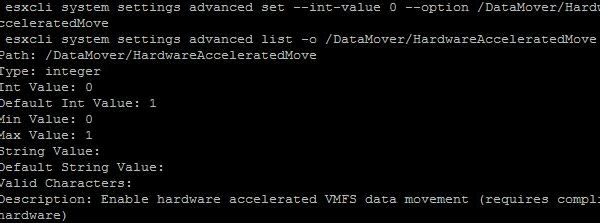
UPDATE: The issue outlined below with code level R32 has now been fixed. This issue is addressed in VNX OE for Block 05.32.000.5.209 (Inyo MR1 SP3). This was covered in […]
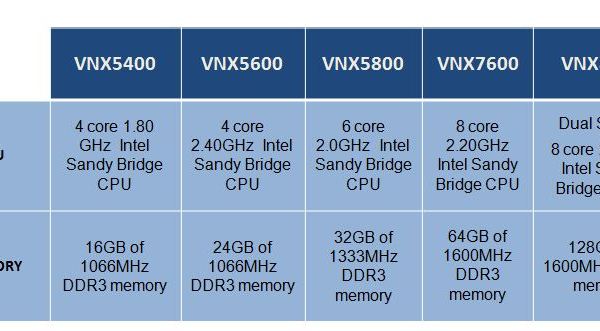
“32 Cores firing MCx Technology” “Leverage cores and scale them – core scaling to achieve the million IOPS” “Amdahl’s law 80% scaling” “Up to 1.1 million IOPS (I/Os per second) […]
Here I have compiled a list of the most commonly used VNX Terms and a brief description of each. Term: Definition SP: Storage Processor – provides access to all external hosts and the file side of VNX. SP A: Storage processor A – Generic term for the first storage processor in VNX for block. SP B: Storage processor B – […]

The VNXe can send E-mail alerts of system events to a specified IP address when it encounters alerts or error conditions. View and Configure SMTP Server Settings In order to […]
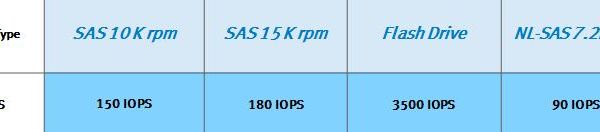
In this post I will give a guideline on how to calculate the required drive count for a VNX Pool based on Throughput performance (IOPS). This is only a Rough-Order-of […]
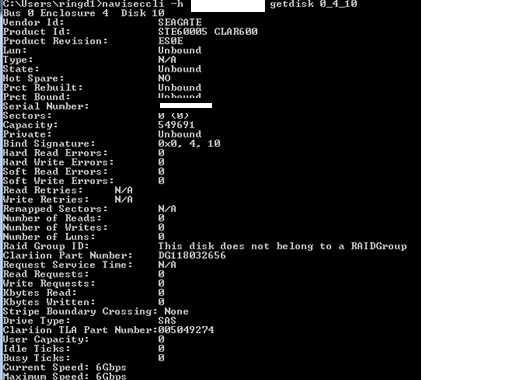
Replacing a Disk in a VNX is quite a simple task if the correct procedure is followed (Discover the failed drive BED naviseccli -h SP_IP faults -list). In this post […]
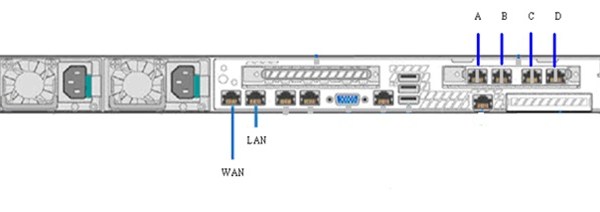
This is one that caught us by surprise! As per previous blog Post “EMC RecoverPoint Architecture and Basic Concepts” this is the port configuration as per the initial release of […]
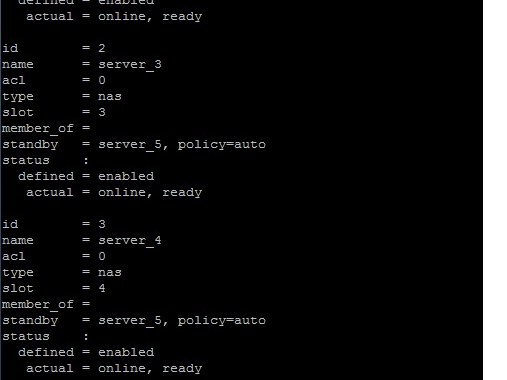
Today I had a VNX Data Mover (Blade) slic issue where the failover relationships were not as they should be. The following commands are very useful for checking the relationships […]
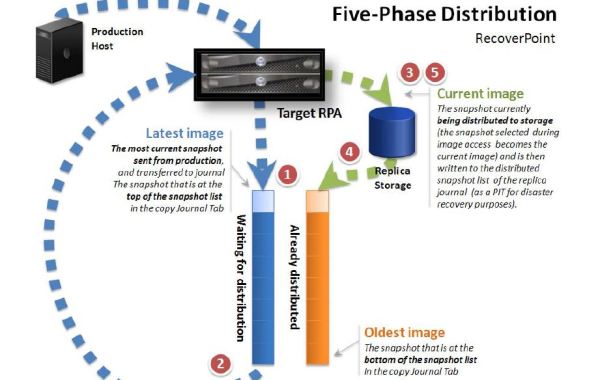
In this post I will detail some considerations for RecoverPoint Journal and Replica Volumes from a Performance Perspective. This will give you some insight into the workings and designs that […]
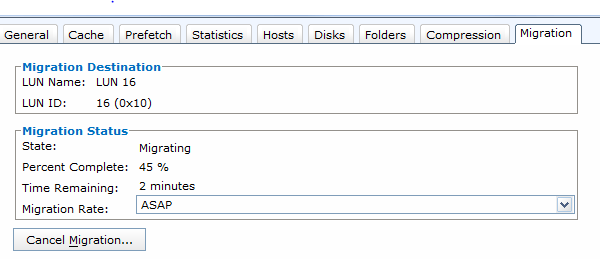
This post is a result of having to migrate Cisco UCS Blade boot LUNs between Raid Groups. Both the source and destination were Classic LUNs – RAID Group LUN (FLARE […]
 DavidRing.ie